


Our Treatments
Prosthodontics and oral rehabilitation
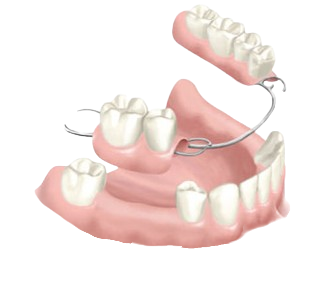
This speciality aims to restore and maintain the functions of the stomatognathic system, providing health, function, comfort, and aesthetics through the reconstruction and replacement of damaged or missing teeth. Prosthodontics is the field of dentistry responsible for restoring chewing, aesthetic, and phonetic functions, as well as reconstructing and protecting joint function through the creation of prostheses, which can be fixed, removable, full, or implant-supported.
When one or more teeth are lost, occlusion must be restored promptly to prevent teeth from shifting due to lack of contact, which compromises the masticatory system and jaw stability. Failing to replace a missing tooth can lead to periodontal disease, temporomandibular joint (TMJ) disorders, loss of vertical dimension, orofacial pain, and aesthetic concerns, as well as causing premature facial ageing.
Endodontics
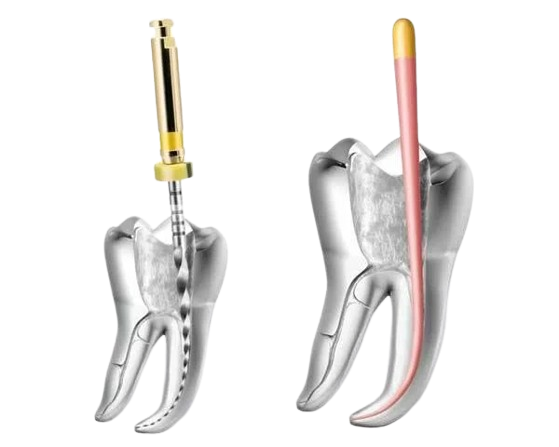
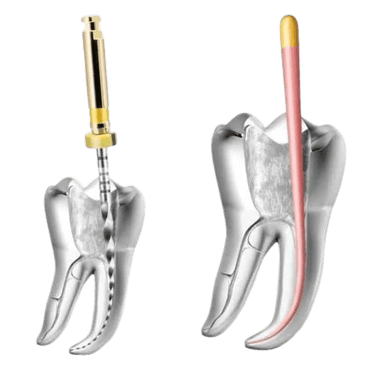
This speciality is responsible for treating diseases of the dental pulp, commonly known as 'root canal treatment. Endodontic treatment involves removing the soft tissue located in the innermost part of the tooth, called the pulp. This tissue may be healthy or infected and, once removed, is replaced with a filling material.
One of the most characteristic symptoms is spontaneous pain-throbbing pain that starts without any external stimulus. In such cases, the pulp is still vital but inflamed, and painkillers will not resolve the underlying issue. When the pulp dies, the pain becomes highly localised, often causing a sensation that the tooth is 'high' or 'longer' and resulting in pain when chewing.
If endodontic treatment is not performed, a lesion can develop in the apical region, leading to more serious consequences such as intense pain, swelling, fever, and bacteraemia (bacteria in the bloodstream). At this stage, the only remaining solution is exodontia (tooth extraction).
Dental Implantology
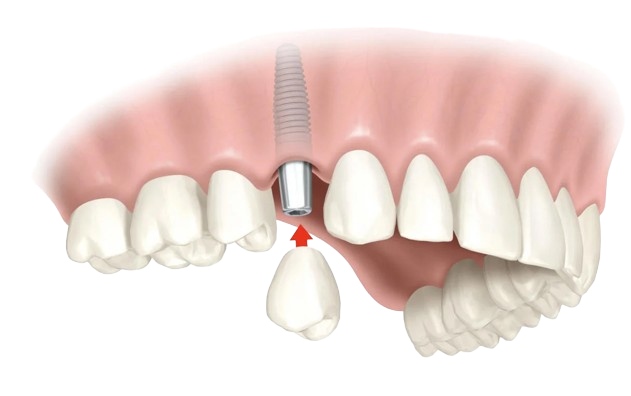
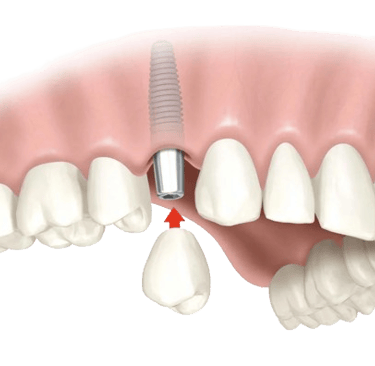
This speciality focuses on the placement of high-purity titanium posts into the mandible (lower jaw) and/or maxilla (upper jaw). These are fitted through precise minor surgery into the bone where the natural tooth root would have been. A dental crown, designed to match the anatomy of a natural tooth, is then fixed onto the implant. Essentially, an implant acts as an artificial root to replace the natural one.
If you require an implant, do not hesitate, it will provide significant improvements to your health, phonetic and chewing functions, and aesthetics, whilst greatly boosting your self-esteem. OralRia uses a technique known as Immediate Loading, which allows the implant to be completed much faster than conventional methods. With this technique, the implant can be loaded immediately following surgery. To be eligible for this procedure, patients must have good oral health, proper occlusion, and sufficient bone volume and quality.
Restorative and Cosmetic Dentistry
The goal of Restorative Dentistry, also known as Cosmetic Dentistry, is not only to restore chewing function but to repair and even transform teeth so that they appear as natural as possible. A perfect and harmonious smile has become a benchmark for beauty and status.
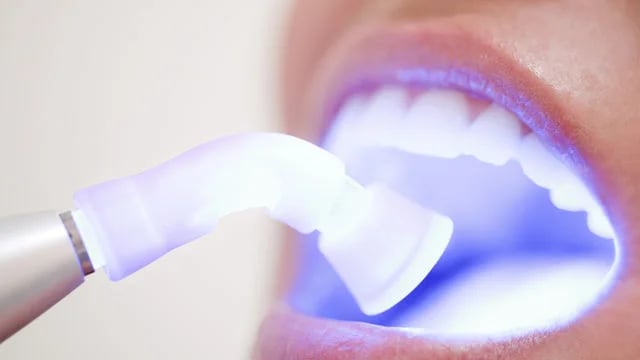
Our practice offers modern treatments in this field, including: laser teeth whitening, laser therapy, fluorescent resins, veneers, bruxism mouthguards, NTI devices, and more.
Orthodontics
Orthodontics is the speciality that studies craniofacial growth and development, as well as the development of primary ('baby'), mixed, and permanent teeth, and their deviations from normality, by preventing, intercepting, and correcting malocclusions. There is no minimum age for a first appointment with an orthodontist; ideally, you should seek a consultation when the primary teeth begin to be replaced by permanent ones. Likewise, there is no maximum age for achieving successful orthodontic correction.
Beyond aesthetics, another function of orthodontic treatment is the restoration of dental occlusion, which is essential for correct chewing and, consequently, proper nutrition and oral health. Restoring the occlusion helps prevent issues with breathing, swallowing, speech, and the temporomandibular joint.
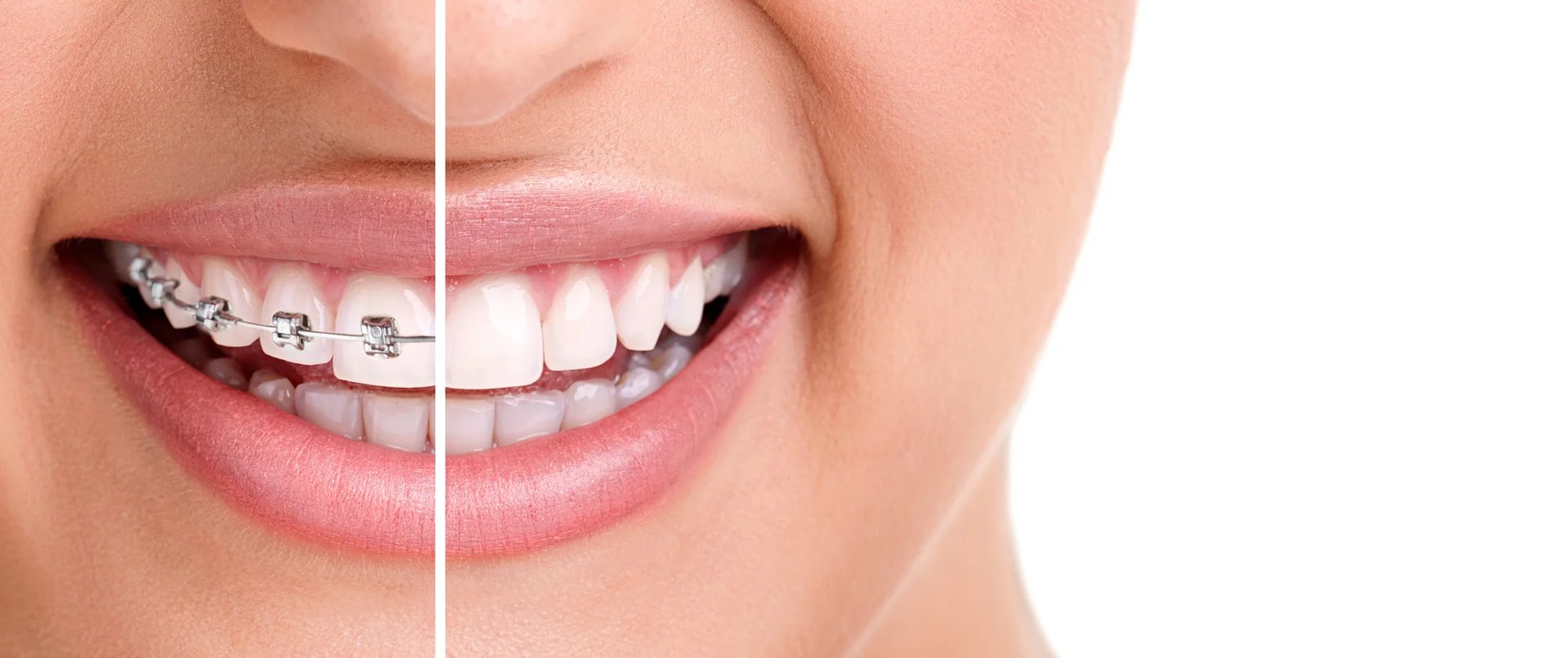
OralRia offers treatments with both fixed and removable braces. Fixed brace brackets can be made of metal or clear porcelain, and there are various colours available for removable braces.
Periodontics
This specialty focuses on the study, diagnosis, prevention, and treatment of gum and periodontal diseases, aiming to promote and restore periodontal health. Periodontal disease is of bacterial origin, affecting the gums, bone, and periodontal ligaments. Its progression leads to bone loss and the subsequent loss of teeth. The primary cause of periodontal disease is bacterial plaque adhering to the teeth, though it can also be associated with malocclusion, hormonal factors, ill-fitting prostheses, orthodontic appliances, or medication use.
Common signs and symptoms of periodontal disease include: bleeding gums, persistent bad breath (halitosis), red, swollen and tender gums, receding gums (retraction), purulent exudate (pus) between the gum and the tooth, changes in gum shape, tooth mobility, presence of calculus or tartar, and it is often painless (asymptomatic). The prevention of periodontal disease involves the correct use of a toothbrush and dental floss, as well as regular visits to your dentist (Periodontist).
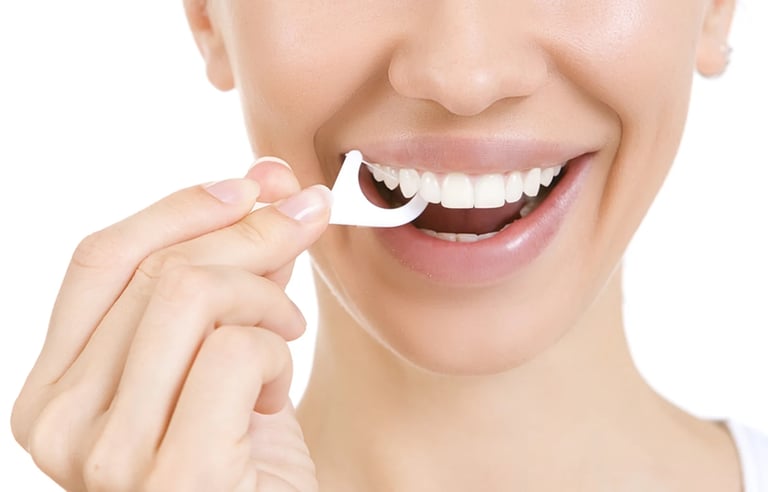
Paediatric Dentistry begins with the baby’s parents and continues through ongoing work to promote oral health. Children and adolescents should receive monitoring and guidance on correct brushing techniques and appropriate diets. At the same time, they require plaque control, topical fluoride and sealant applications, preventive orthodontic monitoring, and proper oral hygiene to inhibit the onset of dental decay and periodontal issues.
Paediatric Dentistry


Contact Details
Rua Carlos Aleluia, No. 4, 1st Floor, Shop 30, Aveiro
oralria@hotmail.com
911080123
© 2025 OralRia. All rights reserved.


Made for extraordinary smiles!
Navigation
Aveiro, Portugal